Kenya’s Booming Tourism

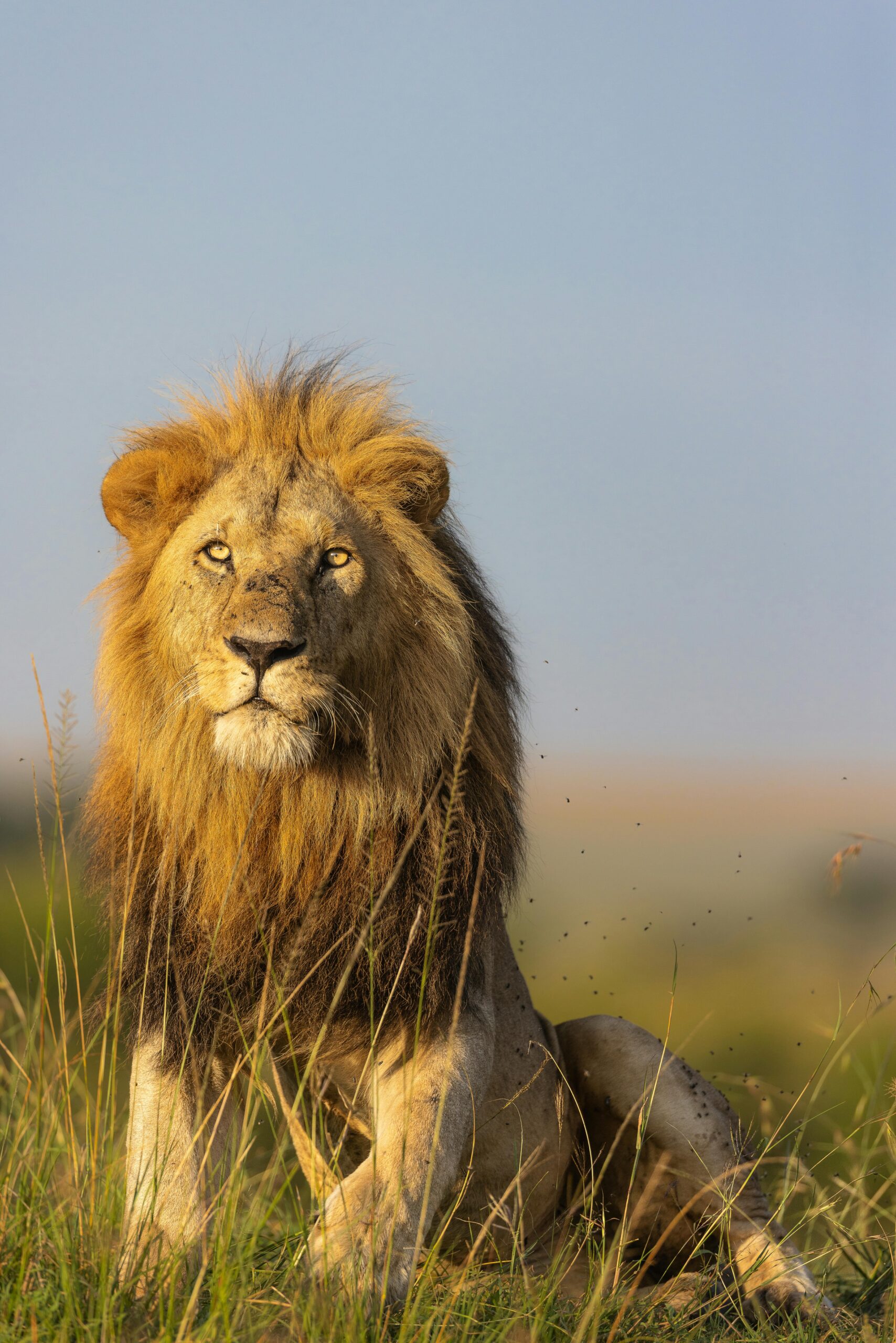
The Kenya Tourism Board (KTB) has launched an ambitious initiative to attract 10 million international visitors by 2026. This strategy emphasizes adventure, wildlife, culture, and sustainable tourism. More than a slogan, this new vision represents Kenya’s global brand promise, offering travelers a richer and more diverse experience. While Kenya remains renowned for its world-class safaris and iconic wildlife, the spotlight now also shines on exhilarating hikes, vibrant cultural experiences, and responsible, eco-friendly travel options.   The objective is to redefine the traditional safari narrative by showcasing Kenya’s breathtaking landscapes—from the expansive Maasai Mara plains and the snow-capped peaks of Mount Kenya to the stunning Indian Ocean coastline. This campaign targets a new generation of visitors seeking immersive, hands-on experiences, meaningful community connections, and environmentally conscious travel choices.
Adventure Tourism: Kenya’s Emerging Frontier

Kenya aims to transcend the conventional game-drive safari by embracing adventure tourism. The country’s rugged mountains, vast valleys, and hidden gems create an unparalleled playground for active travelers. Imagine ascending Mount Kenya, Africa’s second-highest peak, to witness a breathtaking sunrise, or exploring the Great Rift Valley’s biking trails that traverse red earth with panoramic views of cliffs and lakes. Visitors can discover secret waterfalls and ancient caves while engaging with local guides who share authentic stories. These journeys encourage more than just photography—they invite travelers to cook with villagers, learn traditional songs, and fully immerse themselves in the essence of Kenya. From the outset, the campaign has championed the motto “Adventure, Not Just Views,” targeting travelers eager for physical engagement rather than passive sightseeing. Globally, Kenya is gaining recognition as the premier destination for those seeking experiences that elevate both heart rate and spirit, beyond fleeting social media moments. Whether hiking Mount Kenya, kayaking across sunset-lit lakes, or mountain biking through Tsavo National Park, Kenya’s safari experience now offers an invigorating, active dimension. The message is clear: pack your sneakers alongside your camera for an unparalleled African adventure.

Coastal Escapes: Showcasing Kenya’s Indian Ocean

Complementing its wildlife offerings, Kenya’s Indian Ocean coastline is undergoing a transformative rebranding. Destinations such as Diani Beach, Malindi, and the historic island of Lamu are featured not as mere add-ons but as premier travel experiences. Envision starting your day with a 5K run on pristine white sands, then transitioning to snorkeling on vibrant coral reefs after brunch. Water sports like kite surfing and dhow sailing now coexist with guided cultural sunset walks, deep-sea fishing with local elders, and contemporary coastal Swahili dance performances. These islands and historic towns are no longer “post-safari” stops but integral chapters of Kenya’s travel narrative, offering immediate and lasting memories upon arrival.

Swim with Color, Savor Culture on Kenya’s Coast

Kenya’s captivating coastline invites visitors to explore its sparkling waters through snorkeling, scuba diving, and relaxed dhow sailing. Culture enthusiasts will appreciate the rich Swahili heritage expressed through colorful festivals and vibrant seaside dining. Lamu, designated a UNESCO World Heritage Site, reveals the tranquil, artisanal Swahili lifestyle and is rapidly emerging as Kenya’s cultural centerpiece.

Commitment to Sustainable and Community-Based Tourism

Sustainability is central to Kenya’s coastal tourism revitalization. The Kenya Tourism Board promotes eco-friendly travel options, including green-certified accommodations and tours that safeguard terrestrial and marine environments. Collaborating with local communities and conservation experts, the initiative aims to ensure that nature, culture, and local economies are preserved and enhanced. Community-based tourism lies at the core of this approach. Travelers can participate in cultural exchanges, eco-treks, and wildlife education programs that directly benefit local residents by funding schools, clinics, and infrastructure improvements. This model ensures that tourism revenues are equitably shared, fostering positive outcomes for both people and the environment.

Regional Opportunities for Africa’s Travel Industry

Kenya’s visionary tourism strategy extends its influence beyond national borders, serving as a benchmark for the African continent. Its dedication to adventure tourism, exceptional wildlife experiences, and sustainable practices offers valuable insights for other destinations. With visitor numbers expected to rise significantly, demand for flights, accommodations, and local services will increase, creating fertile ground for growth across the travel sector. The Kenya Tourism Board also emphasizes regional collaboration, encouraging East African countries to develop multi-destination packages that seamlessly connect Kenya, Uganda, Tanzania, and Rwanda. This approach provides travelers with compelling reasons to combine safaris and gorilla treks within a single itinerary.

Harnessing Digital Platforms and Storytelling

Digital marketing will play a pivotal role in Kenya’s tourism resurgence. The Kenya Tourism Board plans to engage audiences across key platforms, leveraging social media, partnerships with global travel influencers, and precision-targeted advertising in markets such as the UK and USA. Central to this strategy is storytelling—immersive videos and narratives that offer authentic glimpses into Kenyan life, such as a Maasai guide’s sunrise breakfast, a Maasai Mara ranger’s wildlife expertise, or a craftsperson teaching children to weave vibrant beaded bracelets. By connecting travelers with the people behind the experiences, Kenya aims to inspire longer stays, additional travel segments, and repeat visits, fueling sustained growth in its tourism industry.

Leave a Reply

Your email address will not be published. Required fields are marked *